
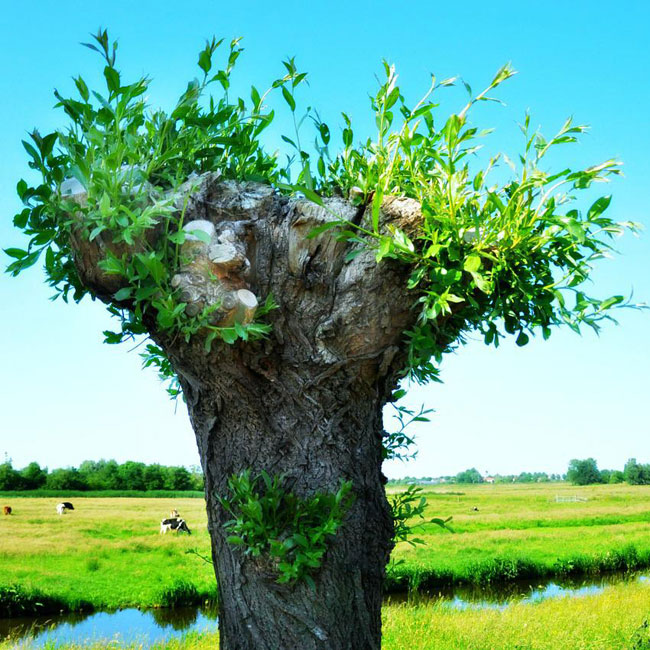
Tree Pollarding: Know More about its Dos & Don’ts
Tree pollarding services necessitate the expertise of arborists and tree care specialists. It can help you eliminate rotten tree parts or keep your yard tidy. However, it is a task that, if not done properly, can be hazardous. In this blog, we will walk you through what Tree Pollarding is in brief and gradually explain to you the DOs & DONTs of it.
Tree Pollarding
It is a pruning system in which trained arborists or tree surgeons in Exeter go to the top branch of the tree and remove them as needed. The goal of tree pollarding would be to encourage growth in the upper branches so that they are dense and also helps in garden clearance in Exeter. As a result, the tree will have a dense head with lovely branches and greenery around it. Having said that, this method extends the life of a tree and gives one garden a healthy appearance.
We've compiled a comprehensive list of do's and don'ts so you know how to trim trees and plants properly.
Do’s
- Take into account tree pollarding if the shrubs and trees in your garden have grown too big and are taking up too much room. An arborist will assist you in balancing the region.
- If you notice that your garden appears to lack sunlight and has too much shade, you could indeed try tree pollarding.
- Tree pollarding is also suggested if your garden's phone lines, electricity lines, or street lighting are being harmed by excessive tree growth.
- If you want to reap the benefits of tree pollarding, cut your trees on a yearly basis. An unchecked tree growing in a limited area can cause a range of issues and drain your bank account. A better option for tree maintenance is to hire a tree surgeon.
- Contact an experienced arborist, and they will advise you on the best time to pollard your trees. It is not suggested to check it on a young tree. If the tree is old, you may need more comprehensive tree surgery.
Don’ts:
- Don't try tree pollarding in the fall. Trimming cuts are more susceptible to fungi decay. They will begin to grow on the tree as well as harm its health. Some fungi species can rot and decay a tree's heartwood.
- For the fall, do not order certain pollarding. Trimming cuts on your tree can promote the growth of decomposition fungi (such as tournament microorganisms). These fungi can cause fester and decompose in the heartwood of your tree. This can lead to structural failure, for which you as the property owner will be held legally liable.
- Because pollarding requires working at heights, utilizing ladders, attempting to climb, including using chainsaws, it is wise to hire someone qualified for the job rather than attempting something that yourself.
- Don't try pollarding yourself unless you have strong control at heights, climbing, stairways, or a chainsaw. Whatever the temptation, if you are underqualified, you should never take the risk.
Conclusion:
If you have any of these trees in your garden, you should consult with a tree surgeon in Exeter (or someone located in the nearby area) for regular and proper tree pollarding services. These professionals will inspect your trees and recommend the best tree care service for you.